Pelvic Floor Strong Reviews - Women's Exercises
Pelvic Floor Strong is a guided exercise program developed by Alex Miller, a women’s health specialist and fitness instructor. Pelvic Floor Strong delivers short, progressive routines you can do at home that target the pelvic floor and surrounding core to help reduce urinary issues—such as stress leaks or frequent urination—by improving pelvic floor strength and overall core support.
The program is commonly marketed to women seeking pelvic health solutions, including many over 40, and is presented as a time-efficient option for adding pelvic‑floor exercises into a daily routine; many users report sessions that take about 10–15 minutes.
Regularly working the pelvic floor and related muscles supports better posture and a firmer midsection over time. When combined with whole‑body conditioning, stronger pelvic floor muscles can also help reduce strain on the lower back while improving functional stability for everyday activities.
About the Creator
Pelvic Floor Strong was created by Alex Miller, a women’s health specialist and fitness instructor based in Vancouver, Canada. Miller drew on years of teaching Pilates, functional movement, and pre‑ and postnatal exercise to develop pelvic‑floor–focused protocols that help women rebuild core and pelvic support.
Her approach blends movement education with practical strength and body‑awareness techniques designed for pregnancy recovery and everyday pelvic health.
How Pelvic Floor Strong Works?
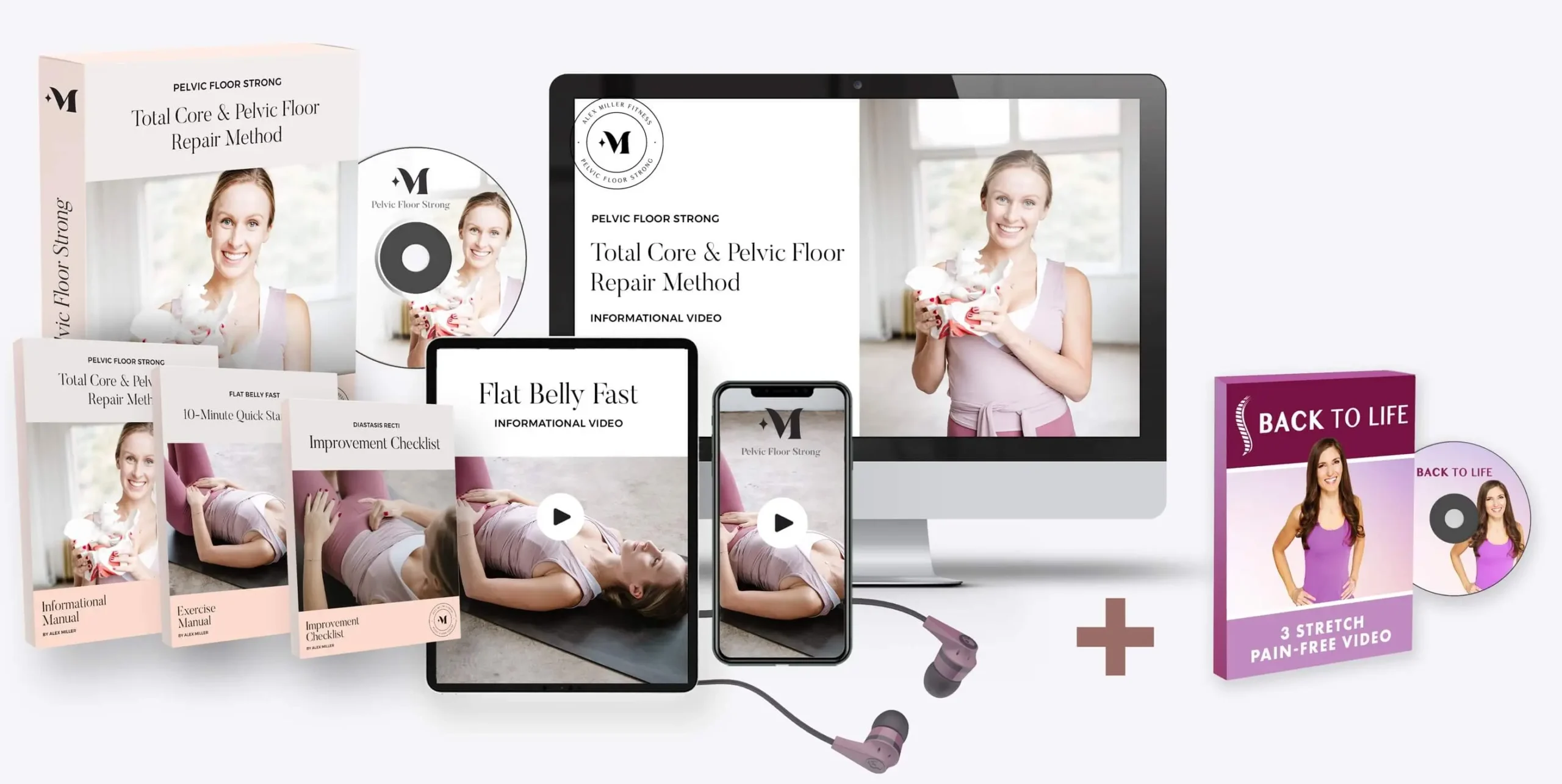
Pelvic Floor Strong delivers short, progressive sessions with guided video instruction and accompanying educational materials so you can rebuild pelvic floor strength and improve overall core stability from home.
The program is organized around focused movement categories to restore pelvic floor muscle function and improve whole‑body support for bladder and bowel control:
Kegel exercises: Lessons teach you how to find and contract the pelvic floor muscles and feel a gentle lift and squeeze rather than bearing down. Start with a simple progression: find the contraction, practice short holds of 2–3 seconds for 10–15 reps, then progress to holds of 5–10 seconds as your endurance improves.
Core integration drills: Movements target the abdominal muscles, hips, lower back, and pelvis so you can coordinate pelvic‑floor contraction with breath and movement. Routines emphasize a neutral spine and pelvic alignment to reduce the risk of leaks during activity and improve functional stability.
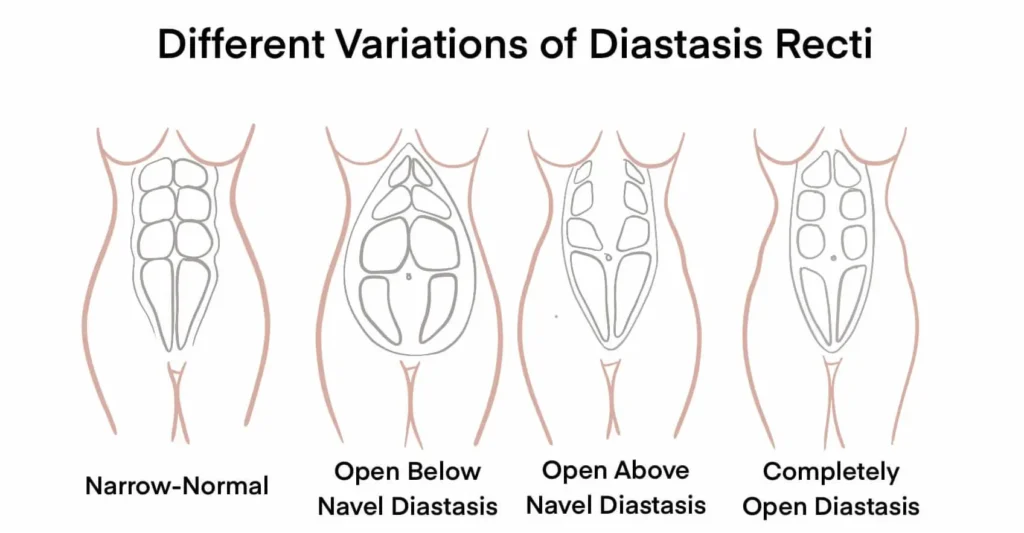
Diastasis‑friendly and posture & mobility work: Progressions include diastasis‑friendly exercises and simple posture drills to reduce excess strain on the pelvic floor and lower back. Mobility work (hip, thoracic, and pelvic mobility) helps the body support internal organs more effectively and can lower downward pressure that may worsen incontinence or prolapse symptoms.
Whole‑body conditioning: Low‑impact, full‑body floor exercises and gentle conditioning support general fitness and weight management. These routines help recruit the same supporting muscles around the pelvis and can contribute to a firmer midsection over time; note that sustained weight loss generally requires combined attention to nutrition and broader exercise plans.
Benefits Of Pelvic Floor Strong:
Enhanced core stability: Targeted pelvic floor training strengthens the muscles that support the pelvis and lower abdomen. Better coordination between pelvic‑floor and abdominal muscles can improve posture, balance, and everyday body mechanics — which may reduce strain on the lower back and improve functional stability for daily tasks.
Reduction in incontinence: Many people report fewer stress or urge leaks with consistent practice. Clinical guidelines generally recommend pelvic floor exercises as a first‑line, conservative approach for improving bladder control, though timelines and individual outcomes vary; expect gradual improvement over weeks to months with regular practice.
Less lower‑back discomfort: Because the pelvic floor is part of the core support system, strengthening these floor muscles can help improve pelvic alignment and load distribution through the spine, potentially relieving some sources of lower back pain for certain people.
Support for postpartum recovery: New mothers often benefit from progressive pelvic floor and core work to regain pelvic support and abdominal strength after pregnancy. Recovery timelines differ — follow the program progressions and consult your clinician if you have concerns about diastasis recti or prolapse before advancing exercises.
Better bowel control: Consistent pelvic floor strengthening can improve bowel control for some people, reducing episodes of urgency or accidental leakage in certain cases.
Holistic pelvic‑health education: The program pairs exercises with guidance on posture, breathing, and movement patterns so you understand how pelvic floor muscles support internal organs and overall pelvic health.
How Much Does Pelvic Floor Strong Cost?
Pelvic Floor Strong pricing is straightforward when you order directly from the official website:
Digital Package — $49: Instant access to the complete program, including all videos, downloadable guides, and bonus materials so you can start pelvic floor work for bladder and pelvic health right away.
Physical + Digital Package — $59 plus shipping: Includes professionally printed manuals and materials in addition to full digital access to the program.
Pelvic Floor Strong is sold through its official website. Buying directly from the official site is the best way to ensure you receive the authentic program, access current discounts or promotions, and use the stated 60‑day guarantee.

Pelvic Floor Strong Review – Conclusion:
Overall, Pelvic Floor Strong is a practical, time‑efficient option for many women who want to strengthen pelvic floor muscles and reduce urinary incontinence.
The program’s short daily sessions typically about 10–15 minutes make it realistic to build pelvic strength and core stability into a busy routine over weeks to months.
Frequently Asked Questions
Will this work for someone who is 60+?
Many people over 60 can benefit from pelvic floor training, and the program includes adaptations for different ability levels. Individual results vary with baseline strength and symptoms; if you have significant pelvic organ prolapse or complex medical issues, consult a clinician before starting and follow the program’s gentler progressions.
What if I’m not fit enough?
The program includes easy‑to‑follow modifications so beginners can build strength from the basics. Start with shorter holds (for example, 2–3 seconds) and fewer repetitions, focus on diaphragmatic breath and alignment, and gradually increase hold seconds and reps as you gain control.
Will my credit card be charged more than once?
Purchases are sold as one‑time payments on the official site; check the checkout page for any updated billing terms.
What happens if I find this program unhelpful?
The program is backed by a 60‑day money‑back guarantee—see the official returns page for exact steps to request a refund. If exercises cause new or worsening symptoms (pain, unusual pressure, or urine/bowel changes), stop and seek medical advice.